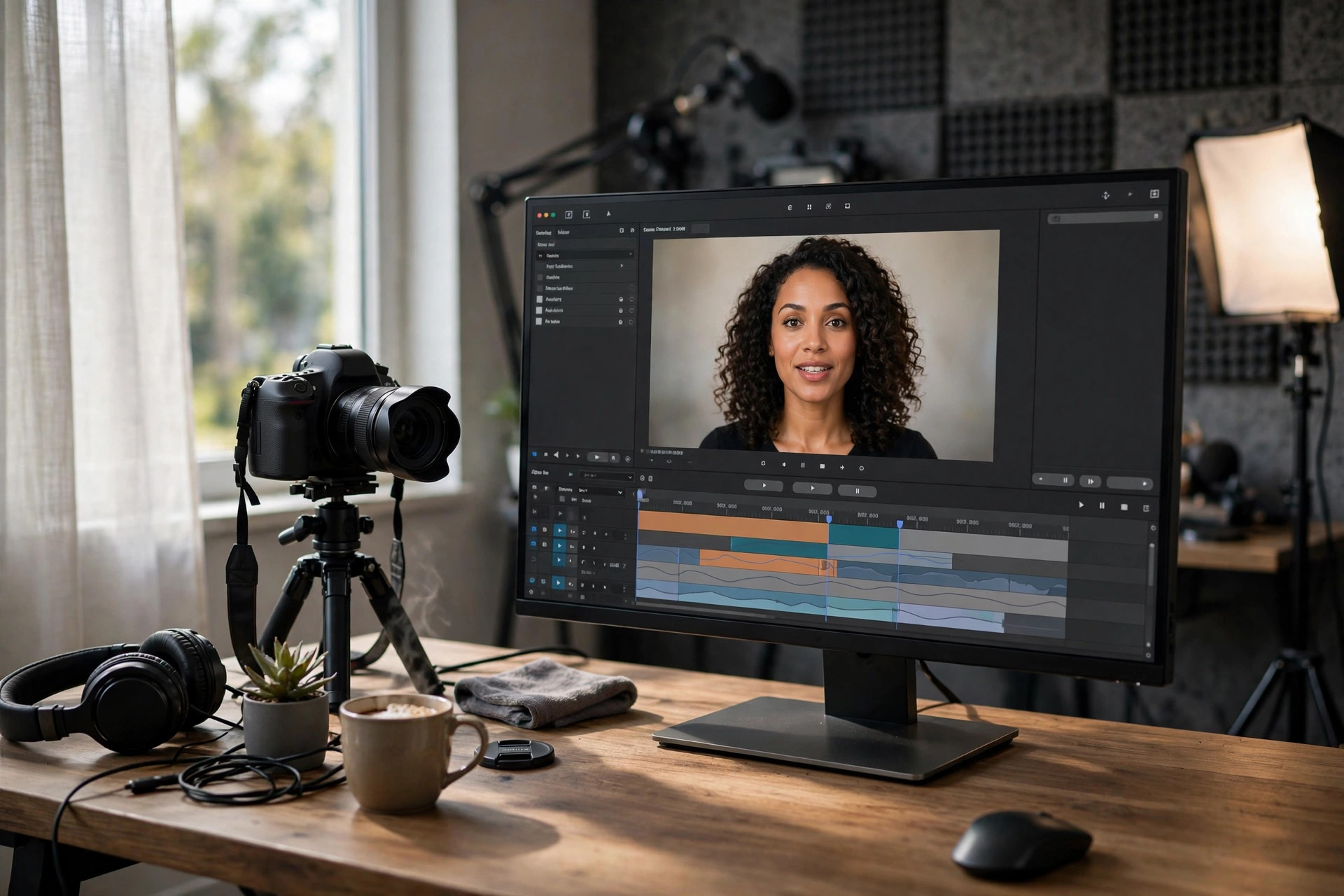
These expert comparisons of AI avatar tools for explainer videos cut through the marketing noise. Dozens of platforms now promise lifelike presenters, instant translation and studio-quality output — but for explainer videos specifically, the differences that matter are narrower and more practical: avatar realism, voice quality, workflow speed and honest pricing. We compared the leading tools on exactly those criteria so you can pick with confidence.
How we compare: the criteria that matter for explainers
Explainer videos are not films and not adverts — they are teaching tools. That changes what "best" means. An avatar does not need cinematic charisma; it needs to hold attention while a viewer absorbs a concept. Our comparison weights five factors above all others, because these are the ones that decide whether your explainer gets watched to the end or abandoned after twenty seconds.
Avatar realism and expressiveness. A stiff, uncanny presenter distracts from the message; a natural one builds trust. We look for realistic facial movement, natural gestures and expressions that match the script's tone.
Voice quality and lip-sync. The narration carries the explanation, so voices must sound human in your target languages, with lip movements that track the audio convincingly. Poor sync is the fastest way to lose credibility.
Script-to-video workflow. The whole point of AI avatars is skipping production. The best tools turn a pasted script into a finished video in minutes, with templates, scene editing and easy revisions when the product changes.
Languages and localisation. If your audience is global, translation with proper voice cloning matters enormously — re-recording explainers per market is exactly the cost AI video should eliminate.
Pricing and commercial rights. Check what the entry plan actually includes — minutes per month, avatar count, and whether you can use videos commercially. The cheapest sticker price often hides the most restrictive limits.
The leading AI avatar tools compared
Synthesia: the enterprise-grade all-rounder
Synthesia is the most established name in AI presenters, offering more than 240 avatars and video generation in 160+ languages. Its strengths for explainers are the mature editor, one-click translation, collaboration features for teams, and analytics on viewer engagement. It sits at the premium end of pricing, but for organisations producing explainer libraries at scale, the platform depth justifies the cost. Read our full Synthesia review and the Synthesia tool profile for the detailed breakdown.
HeyGen: the lifelike challenger
HeyGen has built its reputation on exceptionally lifelike avatars and a generous free plan that lets you test properly before paying. Its text-to-video generation and AI translation are genuinely strong, and many users rate its avatar quality above Synthesia's. For individual creators and small teams making explainers, HeyGen is often the better value — premium output without the enterprise pricing. Explore it at heygen.com.
Colossyan, D-ID and Elai: the specialists
Beyond the two leaders, several capable alternatives serve specific needs. Colossyan focuses on workplace learning videos with strong document-to-video conversion. D-ID excels at conversational avatars and API-driven use cases. Elai competes aggressively on price for straightforward presenter videos. None matches the leaders across every criterion, but each can be the right pick for a narrow use case — compare them on the criteria above rather than feature-list length.

Head-to-head: which tool wins for explainer videos?
For most explainer-video work, the contest narrows to Synthesia versus HeyGen. Synthesia wins on platform maturity: more avatars, deeper language support, better team workflows and richer analytics. HeyGen wins on avatar lifelikeness and value: a real free tier, impressive realism, and pricing that suits creators and small businesses. Our broader Runway vs Synthesia comparison shows how we evaluate video tools head-to-head if you want to see the methodology applied elsewhere.
If you publish explainers weekly as a team, Synthesia's platform features justify the investment. If you are a solo creator or startup producing a handful of explainers a month, start with HeyGen's free plan and upgrade only when you hit its limits. Either way, trial both with your actual script before committing — avatar quality is subjective, and your audience's reaction is the only metric that counts.
How to choose for your use case
Match the tool to the job. Training libraries and customer onboarding favour Synthesia's version control and collaboration. Marketing explainers and YouTube content favour HeyGen's realism and value. Multilingual rollouts favour whichever platform handles your specific languages best — test, do not trust the language count alone. And budget-conscious teams should look at our guide to affordable AI avatar services for startups for cost-saving strategies that apply whatever tool you choose.
Verdict
There is no universal winner — but there is a clear decision framework. Prioritise avatar realism and voice quality for audience-facing explainers, workflow and collaboration for team production, and honest per-video cost for tight budgets. Start free, test with real scripts, and let your viewers' engagement settle the debate.


